



Reflections from the Asia Climate Tech Venture Fair 2026
By Anandhi Gokhale, Investment Director, Emerald
A battery can steady a power grid and still struggle to earn its keep. A low carbon fuel can work perfectly in an engine yet lack a dependable supply of raw materials. Such problems are less photogenic than a new invention. They may nevertheless determine which climate technologies can become successful businesses.
The third Asia Climate Tech Venture Fair, held in Singapore on 26 October, brought together 109 attendees from 15 countries. Across the discussions and startup presentations, a recurring theme was the need to demonstrate clear economic value. In Asia’s often highly price sensitive markets, customers need a compelling reason to adopt a new solution – lower costs, better productivity, or a more reliable supply chain.
Consider electricity. The International Energy Agency estimates that more than 2,500 gigawatts of renewable, storage and large electricity-consuming projects are stuck in grid-connection queues worldwide. New grids can take five to 15 years to plan, permit and complete; data centers can be built in one to three. This makes better use of existing infrastructure (i.e. flexibility) valuable. But the need for flexibility does not automatically create a market for it.
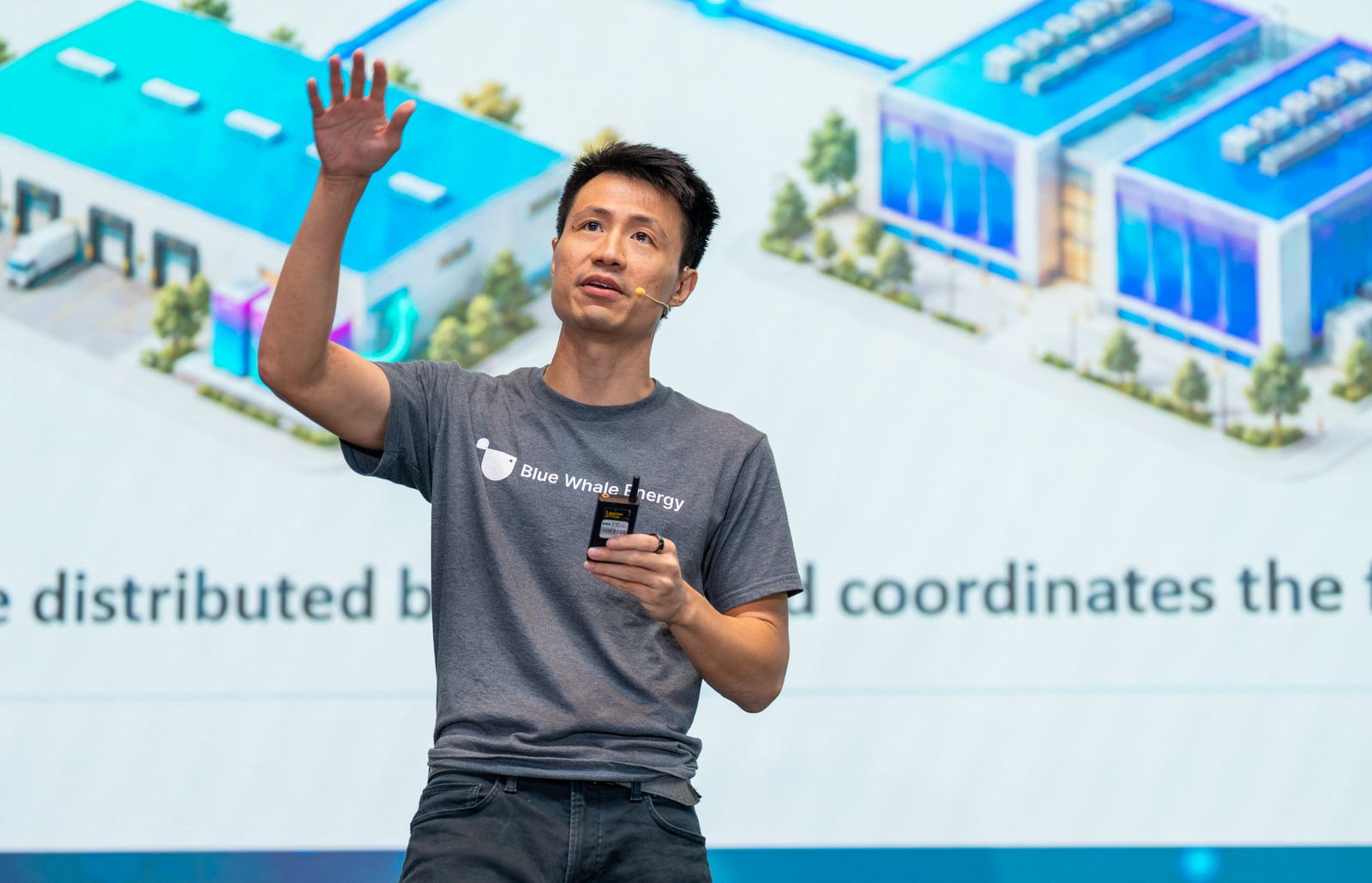
Blue Whale Energy presented distributed batteries to ease local grid constraints; OptiGrid offered forecasting and automated bidding to improve how energy assets earn revenue. Yet technical usefulness and commercial value are different things. As EDF’s presentation illustrated, relieving congestion requires somebody willing and able to pay for the relief. Across Asia’s varied electricity markets, the same battery can have very different earning opportunities. Even then, returns can change: the IEA finds that growing battery deployment has squeezed revenues in markets for services that keep grids stable. Investors must ask whether a business works when its competitors scale up, too.
Future fuels face a similar challenge. IATA, the airline industry’s association, expects sustainable aviation fuel to supply just 0.8% of aviation fuel use in 2026. At AVF, the feedstock discussion highlighted how much progress depends on market coordination across the value chain. Waste oils and residues must be collected, processed and verified; producers need dependable supplies and credible purchasing commitments; while customers need confidence in availability, performance and price. A mandate can support demand, but it does not by itself resolve the cost gap or align the commitments needed to finance production at scale.
Several startups sought to improve the economics of industrial inputs. HydGene Renewables proposed turning local waste biomass into hydrogen for fertilizers, fuels and chemicals. Arceus Resources presented insulation materials made from waste glass; Bygen offered a lower-energy route to activated carbon for filtration. Their propositions suggest that some climate businesses can win customers through cheaper production, useful waste streams and more dependable supply. But waste is not automatically cheap once collection costs, consistency of supply and competing buyers enter the calculation.
The other pitches broadened that argument. MiRESSO’s low-temperature beryllium refining addressed the cost of a strategic material. AutoNxt’s electric tractors targeted the operating economics of heavy machinery. UniFAHS’s bacteriophage technology aimed to reduce reliance on antibiotics in food production. These are very different ventures, with different routes to environmental benefit. What connects them is an attempt to make an existing economic activity work better, giving customers a commercial reason to adopt a new technology.

This gives the governance discussion practical significance. An effective board is an important part of building a successful business and achieving returns. A board should be able to distinguish a technical setback from a flawed market assumption and know when more capital will solve neither. Governance cannot conjure a missing customer; it can make that absence harder to ignore. Bringing the right experience around the table and establishing clear roles and responsibilities between the board and management early on in a company’s evolution can enable constructive discussions and help navigate difficult times in a company (of which there will always be some).
This is an important lens for investing in Asia. Scientific advances still matter, but the commercial advantage may belong to firms that organize the dependencies around them: securing supply chains, making infrastructure more productive and allocating risks to partners able to bear them. The companies that get these elements right will be better placed to win customers and grow without relying on any green premium.
Want to join future AVFs? Reach out to Anandhi on LinkedIn.